Pages

mercredi 28 avril 2010

Mantis: A Photo, A Critique / Mante religieuse : Une photo, une critique

Mantis: A Photo, A Critique

In nature photography, you are very often dependent on luck. This was the case here when this mantis suddenly appeared in front of my camera while I was shooting something else using a tripod. It was so near, and I was so surprised, that I only had the time to take three shots. The image below is a composite of the three in order to get maximum depth of field. I would have loved to focus on the other wing but did not have the time. Here is my analysis below.

Pros: A not very frequent nature photograph with good precision even in the hi res format (that you do not see here). As a mantis photograph, it has some interest

Cons: Though I had no choice, the angle could have been better specially for the head. The second wing, the one towards the camera, is out of focus, and this is one of the major points against this picture. I don't like the grass colour and contrast (maybe this could be worked upon). There is some unwanted noise in the background. This can be corrected but right now there it is.

I would put a medium score both on creativity 7/10, and on technical realisation, 6/10.

Over all, a 7/10 score. Hardly a winner, even if the shot is indeed interesting.

Roger Gauthier, The Photographer Who Came From The Cold

••••••••••••••••••••••••••••

Mante religieuse : Une photo, une critique

La qualité des résultats est souvent affaire de chance en photographie de nature. C'est le cas ici alors que cette mante religieuse est apparue soudainement devant mon objectif pendant que je photographiais quelque chose d'autre à l'aide d'un trépied. Ma surprise fut si grande, et la distance si courte, que je n'ai eu le temps de prendre que trois photos. L'image ci-dessous est un composite des trois dans le but d'obtenir une profondeur de champ maximale. J'aurais aimé pouvoir faire aussi la mise au point sur la deuxième aile mais je n'en ai pas eu le temps. Voici ma propre critique de cette photo.

Points positifs : Une photo relativement rare de cette particulière mante religieuse, avec une bonne précision même dans le format haute définition (que vous ne voyez pas ici). Pour une mante religieuse, spécialement celle-là, la photo ne manque pas d'intérêt.

Points négatifs : Même si je n'avais pas le choix, l'angle aurait pu être meilleur surtout pour la tête. La deuxième aile, celle qui pointe vers l'appareil photo, n'est pas au point, et ceci représente peut-être un des points négatifs les plus importants. Je n'aime pas la couleur et le contraste des brins de foin (ça peut probablement s'arranger en post-traitement). Il y a un peu de bruit dans l'arrière-plan. Un problème qui se corrige, mais pour l'instant il est là.

J'accorderais 7 sur 10 pour la créativité, et 6 sur 10 pour la réalisation technique.

En fin de compte, une note de 7 sur 10. Pas une photo extraordinaire, même si elle présente un intérêt évident.

Roger Gauthier, Le photographe venu du froid

A Mantis / Une mante religieuse

lundi 26 avril 2010

Problems With Small Pictures / Les dangers des petites photos

Problems With Small Pictures

Big images present an obvious problem to any of us: the higher the resolution is for a given image, the greater the chances are that it will be stolen. So this is a real dilemma, one that will never be resolved adequately I fear. Big images are an invitation to theft. Small sizes very rarely tell the truth about an image. So each of us has to make a difficult decision in that regard as we meet different constraints.

In the example below, I show how the small-sized picture, in this case, hides a focusing problem that is quite visible in the bigger sized image. The photo is slightly out of focus (look at the eyes...) but it's not visible in the 400x600 image!

This small 400x600 photo still has problems but looks almost good. The screen res photo, seen at full resolution, tells you a totally different story! Now you can see, this photo is not acceptable.

Welcome to the beautiful world of the web.

UPDATE:

Many of you do no see any difference between the two pictures. I suspect that this is caused by the fact that most browsers will automatically size down an image to fit the window. In that case, you will not see much difference. You have to click in the image to bring it to full resolution and see how imprecise it is.

Roger Gauthier, The Photographer Who Came From The Cold

••••••••••••••••••••••••••••

Les dangers des petites photos

Les images à résolution élevée causent un problème évident : plus la résolution est élevée, plus grande est la chance que l'image soit volée. Voilà tout un dilemme, et je ne pense pas qu'on y trouve jamais une solution satisfaisante. Les images à haute résolution sont une invitation au vol, tandis que les images à faible résolution donnent souvent une mauvaise indication de sa qualité réelle. Chacun d'entre nous doit décider en fonction de ses contraintes personnelles.

Dans l'image ci-dessous, je vous montre comment, dans le cas présent, la faible résolution cache un problème de mise au point qui est pourtant apparent dans la version à plus haute résolution. La photo est légèrement hors foyer (regardez les yeux...), mais ce problème n'est pas visible dans la version à faible résolution (400x600 pixels) !

Cette petite photo à 400x600 a encore certains problèmes mais semble presque acceptable. La photo format écran, vue à pleine résolution, vous force à tirer une toute autre conclusion. Vous pouvez maintenant le voir, cette photo n'est pas acceptable.

Bienvenue dans le monde magnifique du web.

MISE À JOUR :

Nombre d'entre vous ne voyez pas beaucoup de différence entre les deux photos. Ceci est probablement dû au fait que la majorité des fureteurs réduisent automatiquement les images à la taille de la fenêtre. Dans ce cas, vous ne verrez pas beaucoup de différences entre les deux. Vous devez cliquer à nouveau dans l'image pour l'amener à pleine résolution et voir à quel point elle est imprécise.

Roger Gauthier, Le photographe venu du froid

Click On This Photo For the 400x600 Image / Cliquer sur cette photo pour l'image 400x600


Click On This Photo For The Screen Res Image / Cliquer sur cette photo pour l'image format écran

samedi 24 avril 2010

Manuel Nieto!

Manuel Nieto!

Manuel Nieto just published a daring and extraordinary picture on his blog cifereca foto. Take a few seconds, click on those links and have a look. You better be open-minded though. This is no traditional photography, but it is strikingly beautiful I think.

Salud, Manuel!

Roger Gauthier, The Photographer Who Came From The Cold

••••••••••••••••••••••••••••

Manuel Nieto !

Manuel Nieto vient de publier une image extraordinaire sur son blogue cifereca foto. Prenez quelques secondes et allez jeter un coup d'oeil. Je vous préviens, ce n'est pas de la photographie ordinaire. C'est, à mon avis, magnifique.

Salud, Manuel!

Roger Gauthier, Le photographe venu du froid

vendredi 23 avril 2010

Time To Think - Part Two / Un temps de réflexion - deuxième partie

Time To Think - Part Two

First of all, I want to stress that I have suspended my blog for some time, not closed it. Closing my blog is only one possibility among others, and I would not do it lightly.

In the meanwhile, I will publish other posts on the same subject in a further effort to see more clearly. I read all your comments on the previous post. You suggest some avenues, very good ideas, and most of all this very comforting friendship. This friendship is maybe one of the most important elements.

(I've modified this paragraph. I'm really sorry, Cathy, I totally misunderstood your comment's meaning.) This is a very serious démarche (I love a bit of snobbery when writing in English), one that I'm not taking slightly, and I'm grateful for any help I can find.

Some of you mentioned that it was not easy to receive critique, others that it was difficult to give. Deadly right on both counts... But if one knows how a critique should be done, the whole process is lengthier but perhaps more easily received. After all, a critique is not "I like this" or "I do not like this". I've done this for years on photo.net and Canon Digital Photography and here is one way to proceed:

1. Try to forget about one's own preferences or bias, and be objective as far as possible. This is a tough proposition, I know.

2. Find the pros.

3. Find the cons.

4. Suggest ways to correct the problems if possible. A picture can often be corrected, at least in part.

You could also add a score for creativity (originality) and a score for technique if you feel so inclined.

Tomorrow: Why small-sized photos are often either useless or misleading. An example below in 400x600 pixels, published some time ago in 1500x2250 medium resolution.

Roger Gauthier, The Photographer Who Came From The Cold

••••••••••••••••••••••••••••

Un temps de réflexion - deuxième partie

Une remarque : j'ai écrit que je suspendais mon blogue, non que je le fermais. Le fermer n'est qu'une option parmi d'autres, une décision que je ne prendrais pas à la légère.

En attendant, je publierai d'autres messages sur le même sujet pour tenter d'y voir plus clair. J'ai lu tous vos commentaires dans le message précédent. J'y vois des pistes de solution, des idées très intéressantes, et aussi une amitié très réconfortante. Cette amitié est peut-être l'un des éléments les plus importants.

(Je viens de modifier ce paragraphe, avec mes excuses à Cathy. Je m'étais totalement mépris sur le sens de son commentaire.) Il s'agit d'une démarche fondamentale, réfléchie, et j'accepterai toute aide avec plaisir.

Certains d'entre vous avez relevé qu'il n'était pas facile de recevoir une critique, d'autres qu'il n'était pas facile de faire une critique. Absolument vrai dans chaque cas... Mais si l'on sait comment faire une critique, cela prendra peut-être un peu plus de temps mais le résultat en sera probablement plus facilement accepté. Après tout, une critique ne consiste pas à dire « J'aime ceci » ou « je n'aime pas cela ». J'ai fait de la critique pendant des années sur photo.net et Canon Digital Photography et j'ai finalement adopté la méthode suivante :

1. Essayer d'oublier mes préférences et mes biais personnels. Difficile à faire, je ne le sais que trop.

2. Déterminer les points forts de la photo.

3. En trouver les points faibles.

4. Indiquer comment corriger les points faibles si possible. Une photo peut souvent être corrigée, du moins en partie.

Si le coeur vous en dit, vous pourriez aussi attribuer une note pour la créativité et une autre pour la technique.

Demain : Pourquoi les petites photos sont souvent soit inutilisables, soit trompeuses. Un exemple ci-dessous en 400x600 pixels, publié il y a quelque temps en format moyen (1500x2250 pixels).

Roger Gauthier, Le photographe venu du froid

This Small Photo Gives Almost No Info! / Cette petite photo ne dit presque rien !

lundi 19 avril 2010

Time To Think / Un temps de réflexion

Time To Think

I'm putting my blog on hold for an indeterminate period of time. Days, weeks, I do not know. It's time for me to think. I'm asking myself: Why this blog?

True, this blog allows me to share part of my work and to know people. But I cannot learn much. I cannot teach much either, for the simple reason that blogs are not the place to give critique or to receive critique at a high level. It is in fact frowned upon, anything being perfect and beautiful per se.

What should I do? Create a second blog clearly critique-oriented? Encourage both critique and ordinary comments on this blog? I don't know. And there is the problem of this huge amount of knowledge I have about photography and post-processing. I could help so many, but in truth I cannot, not in the present state of things. People expect something different from blogs.

Life is often weird. And I'm cold to the bones.

UPDATE: This comment is in no way a criticism of your own blogs which I find very interesting in most cases. I'm only questioning my own blog's pertinence.

Roger Gauthier, The Photographer Who Came From The Cold

••••••••••••••••••••••••••••

Un temps de réflexion

Je vais suspendre ce blogue pour un temps indéterminé. Quelques jours ? Quelques semaines ? Je ne sais pas. Je dois m'accorder une période de réflexion, le temps de trouver une réponse à cette question qui me hante : Mais pourquoi donc ce blogue ?

Il est vrai que ce blogue me permet d'entrer en contact avec d'autres personnes et de partager une partie de mon travail. Mais en vérité, je n'y apprends pas grand-chose. Je ne peux pas enseigner non plus, pour la simple raison que les blogues ne sont pas l'endroit pour demander et recevoir une véritable critique, et encore moins pour donner une véritable critique. C'est en fait mal vu, tout étant par principe beau et parfait.

Que faire ? Créer un deuxième blogue clairement orienté vers la critique ? Encourager à la fois la critique et les commentaires ordinaires sur celui-ci ? Je ne sais pas. Et il y a le problème de cette masse de connaissances que je possède en photographie et en post-traitement. Je pourrais aider tant de photographes, mais dans les faits je ne peux pas, pas dans l'état actuel des choses. Ce n'est pas ce qu'on attend dans les blogues.

La vie est souvent étrange et je suis transi.

Mise au point : Ce message n'est absolument pas un jugement sur la valeur de vos propres blogues, que je trouve très intéressants pour la plupart. Je me pose seulement des questions sur la pertinence du mien.

Roger Gauthier, Le photographe venu du froid

An Almost Exceptional Picture - Why Not? / Une photo quasi exceptionnelle - pourquoi non ?

samedi 10 avril 2010

En remontant le blogue... / Looking Back Towards The Beginning...

En remontant le blogue...

J'avais décidé de passer outre... mais le pouvais-je vraiment ? Non, bien sûr. Le dernier message de Phil reprend une idée de Claude, qui suggère de reprendre aujourd'hui la sixième photo publiée dans notre blogue. Dans mon cas ce n'est pas évident, mais je pense que ça correspond à ce qu'on voit ci-dessous.

Il faut ce qu'il faut...

Roger Gauthier, Le photographe venu du froid

••••••••••••••••••••••••••••

Looking Back Towards The Beginning...

Phil's last post refers to Claude's last post, that suggests to show the sixth picture we published in our blog. I decided to play the game, just for the fun of it. In my case, choosing the sixth picture was not obvious. I think it is the right one. Anyway...

Roger Gauthier, The Photographer Who Came From The Cold

La sixième photo... / The Sixth Picture...

jeudi 8 avril 2010

What Is Life All About? / La vie a-t-elle un sens ?

What Is Life All About?

Yes indeed, what is Life all about? Maybe the image below makes some sense - maybe not. This is for you to decide. I mentioned some time ago that art was perhaps only a kind of language used to convey strong emotions. If one were to accept such a definition, then would this qualify as art? Those are loaded questions and I admit it readily.

Each of us has a personal, valid answer. For once, I will not allow comments here. All of a sudden, laughter is gone and I don't like what I see.

Roger Gauthier, The Photographer Who Came From The Cold

••••••••••••••••••••••••••••

La vie a-t-elle un sens ?

Oui, la question se pose, la vie a-t-elle un sens ? L'image ci-dessous, elle, a peut-être un sens - peut-être pas. À vous de décider. J'ai écrit il y a quelque temps que l'art n'était peut-être qu'une forme de langage pour véhiculer des émotions très fortes. Si l'on accepte une telle définition, cette image serait-elle de l'art ? J'admets volontiers que ce sont là des questions pièges.

Chacun d'entre nous apporte sa propre réponse, certainement valide. Pour une fois, je ne permettrai pas ici les commentaires. Tout d'un coup, je ne vois plus de raison de rire et je préfère ne pas regarder devant.

Roger Gauthier, Le photographe venu du froid

About Life / À propos de la vie

Brown Pelican In Flight / Pélican brun en vol

Brown Pelican In Flight

Last month in Homosassa, Florida, I shot this brown pelican in flight over a bayou. I used my usual technique, focusing right on the eye, and got this almost decent result. :-)

Florida is indeed a paradise for bird watchers. The variety of beautiful, easily approachable birds is awesome. This picture is probably bigger than your monitor. Look at it in 100% resolution to get the most out of it.

Roger Gauthier, The Photographer Who Came From The Cold

••••••••••••••••••••••••••••

Pélican brun en vol

Le mois dernier à Homosassa en Floride, j'ai pu photographier ce pélican brun en vol au-dessus d'un bayou. J'ai utilisé ma technique habituelle et fait la mise au point directement sur l'oeil. Le résultat est pratiquement acceptable. :-)

La Floride est un véritable paradis pour ornithologues. Il y a là une très grande variété d'oiseaux magnifiques et faciles à approcher. La dimension de cette photo est probablement plus grande que celle de votre écran. Regardez-la à une résolution de 100 % pour l'apprécier au maximum.

Roger Gauthier, Le photographe venu du froid

Brown Pelican In Flight / Pélican brun en vol

mercredi 7 avril 2010

Turkey Run : photo 4 / Turiey Run: Photo 4

Turkey Run State Park : photo 4

Je vous le rappelle, ces photos ont été prises en tout début d'année en Indiana dans le superbe Turkey Run State Park. Elles arrivent lentement pour la simple raison que leur post-traitement me prend un temps fou. Rien n'est parfait...

J'en ai jeté un très grand nombre. Il en reste encore deux qui, je pense, valent la peine d'être montrées. D'ici peu j'espère...

Roger Gauthier, Le photographe venu du froid

••••••••••••••••••••••••••••

Turkey Run State Park: Photo 4

If I may remind you, I took those pictures in January in the superb Turkey Run State Park in Indiana. They trickle down slowly for the very simple reason that post-processing them takes an awful lot of time. Nothing's perfect...

I threw away a lot of those pictures. I still have a couple of them that are worth showing here. I'm doing what I can... :-)

Roger Gauthier, The Photographer Who Came From The Cold

Turkey Run State Park : photo 4 / Turiey Run State Park: Photo 4

Self-Portrait / Auto-portrait

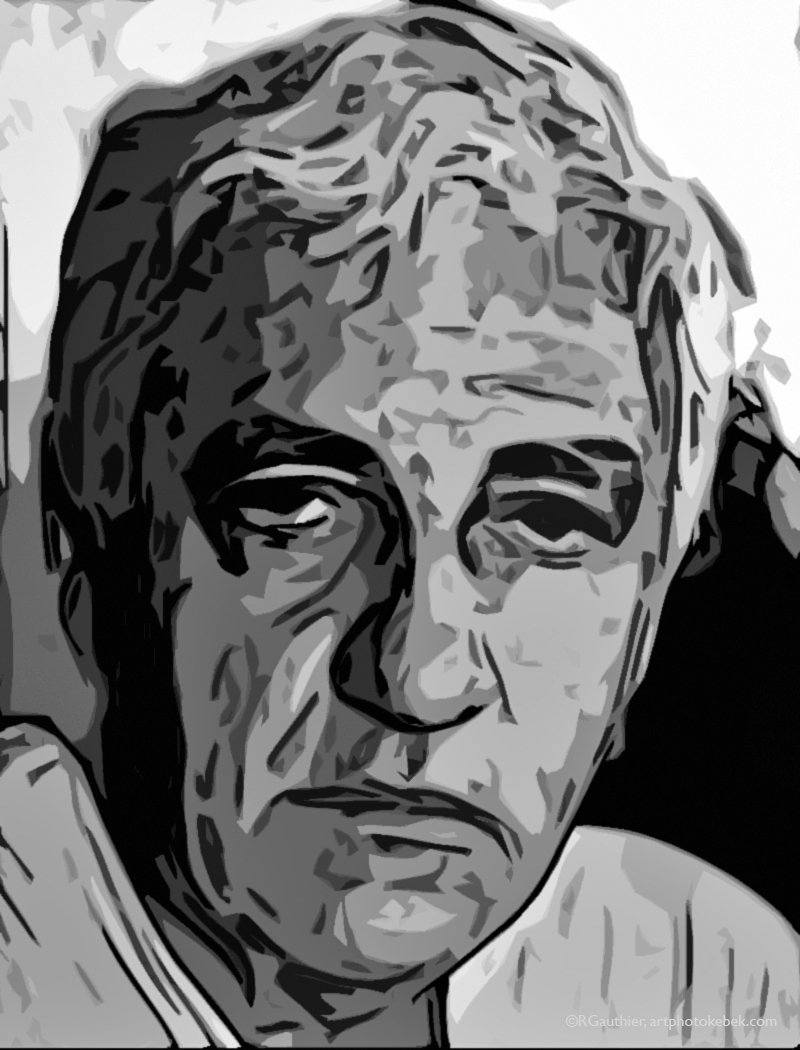
Self-Portrait

Made electronically using as a starting point a photograph shot by BAZZ.

Best seen from a distance of at least one metre.

Roger Gauthier, The Photographer Who Came From The Cold

••••••••••••••••••••••••••••

Auto-portrait

Réalisé électroniquement en utilisant comme point de départ une photographie prise par BAZZ.

Créé pour être vu d'une distance d'au moins un mètre.

Roger Gauthier, Le photographe venu du froid

Self-Portrait / Auto-portrait

mercredi 31 mars 2010

Juvenile Yellow-Crowned Night Heron / Jeune bihoreau violacé

Juvenile Yellow-Crowned Night Heron

I finally identified the bird in the previous post. It is most probably a juvenile yellow-crowned night heron. The identification is not absolutely certain though, as this bird can easily be mistaken for the juvenile black-crowned night heron. The legs seem to be a bit too long for a black-crowned night heron however, so my money is on the yellow-crowned night heron. You can see below a photograph of the whole bird.

UPDATE: This identification was made using the very clear information given in Roger Tory Peterson's "Guide des oiseaux". The fact that it is one of those two night herons is absolutely certain. The fact that there is no way of choosing between the two (short of having the bird in hand, that is) is also a certainty. Both birds are frequently seen year round in Florida. Locals will sometimes call this night heron "black heron". This cannot be as the black heron is an African species only.

Roger Gauthier, The Photographer Who Came From The Cold

••••••••••••••••••••••••••••

Jeune bihoreau violacé

J'ai finalement identifié l'oiseau du message précédent. Il s'agit fort probablement d'un jeune bihoreau violacé. Il est difficile de se prononcer avec une certitude absolue cependant parce que cet oiseau est très semblable au jeune bihoreau à couronne noire. Les pattes semblent toutefois un peu trop longues pour un bihoreau à couronne noire. Il s'agit donc, à mon avis, d'un jeune bihoreau violacé. Vous pouvez voir ci-dessous une photo de l'oiseau au complet.

MISE À JOUR : Cette identification répond aux indications très claires du « Guide des oiseaux » par l'ornithologue Roger Tory Peterson. Le fait qu'il s'agisse de l'un ou l'autre de ces deux bihoreaux est une certitude. Le fait qu'on ne puisse pousser plus loin l'identification est aussi certain. On peut fréquemment voir ces deux oiseaux à l'année longue en Floride. En Floride, on appelle parfois cet oiseau « héron noir ». Cela est une erreur : le héron noir porte en français le nom d'aigrette ardoisée. C'est un oiseau exclusivement africain.

Roger Gauthier, Le photographe venu du froid

Yellow-Crowned Night Heron (Juvenile) / Jeune bihoreau violacé

mardi 30 mars 2010

Portrait: An Unidentified Bird / Portrait : un oiseau non identifié

Portrait: An Unidentified Bird

As Françoise said about another bird, this is indeed a portrait. I am not sure at all about the identity of this one, but it seems that it is not an adult, maybe a juvenile from the previous year, I don't know. If you know what it is, please tell us... :-)

Roger Gauthier, The Photographer Who Came From The Cold

••••••••••••••••••••••••••••

Portrait : un oiseau non identifié

Comme avait écrit Françoise à propos d'un autre oiseau, il s'agit bel et bien d'un portrait. Je ne sais pas de quel type d'oiseau il s'agit, mais il semble que ce ne serait pas un adulte, peut-être un juvénile de l'année précédente, je n'en sais trop rien. Si vous savez de quoi il s'agit, renseignez-nous, nous seront heureux de vous lire ! :-)

Roger Gauthier, Le photographe venu du froid

An Unidentified Bird / Un oiseau non identifié

dimanche 28 mars 2010

Bihoreau violacé / Yellow-Crowned Night Heron

Biohoreau violacé

J'ai photographié ce bihoreau en Floride, lors d'un voyage dans un parc protégé où se retrouvaient beaucoup d'espèces, bien que la plupart n'aient pas été en captivité. À remarquer ici encore une fois l'importance d'une mise au point parfaite sur l'oeil.

Roger Gauthier, Le photographe venu du froid

••••••••••••••••••••••••••••

Yellow-Crowned Night Heron

I photographed this night heron in Florida, during a trip in a natural park where many birds could be seen, even if the majority of them were free. An important point here once again: a perfect focusing on the eye.

Roger Gauthier, The Photographer Who Came From The Cold

Titre / Titre

samedi 27 mars 2010

A Worried, Interrogative Eye / Un regard inquiet, interrogateur

A Worried, Interrogative Eye

While looking at previous posts last night, I found those words by Françoise about a portrait I made of Hélène: A worried, interrogative eye. I don't know why I made her look that way at the time.

Now I would still do the same thing. Thank you deeply for the words, Françoise.

Roger Gauthier, The Photographer Who Came From The Cold

••••••••••••••••••••••••••••

Un regard inquiet, interrogateur

Pendant que je jetais un coup d'oeil sur des messages précédents la nuit dernière, j'ai trouvé ces mots par Françoise à propos d'un portrait que j'ai fait d'Hélène : « Un regard inquiet, interrogateur ». Je ne sais pas pourquoi je lui ai donné un tel regard à ce moment-là.

Mais aujourd'hui, je referais la même chose. Merci infiniment pour ce commentaire, Françoise.

Roger Gauthier, Le photographe venu du froid

jeudi 25 mars 2010

A Forest Near Homosassa, Florida / Une forêt près de Homosassa en Floride

A Forest Near Homosassa, Florida

This is a dense, mysterious forest. It is also alligator country. I am not sure that I would venture in it.

Roger Gauthier, The Photographer Who Came From The Cold

••••••••••••••••••••••••••••

Une forêt près d'Homosassa en Floride

Que voilà une forêt dense et mystérieuse. C'est aussi le pays des alligators. Je ne pense pas que j'irais m'y promener.

Roger Gauthier, Le photographe venu du froid

A Floridian Forest / Une forêt floridienne

mercredi 24 mars 2010

RAW, Post-Processing And Turkey Run / RAW, post-traitement et Turkey Run

RAW, Post-Processing And Turkey Run

There are several reasons why I'm shooting in RAW mode instead of jpeg, except when I'm shooting in continuous mode in action photography:

• the jpeg format applies in-camera post-processing for me, and this I absolutely not want as results are often far from very good.

• the RAW format, because it uses 16 bits per colour instead of 8, gives subtler tones and allows heavy post-processing without major degradation.

• because of its huge possibilities, the RAW format allows you to create several different Photoshop files with varying exposure and brightness conditions. The addition of those files using layers allows you to correct almost any problem you can think of.

I do not have the time to give more details here. Let's see however with an example what a jpeg file could give you under a brutal sun, and what you could do through the RAW format and post-processing.

The first picture is the approximate result you would get, under those conditions, with a jpeg setting. Granted, the image could be darker. The disadvantages of a darker image are usually much greater, provided you can retrieve some info through post-processing. I will explain this in a future post.

The second image is the final photograph as obtained through RAW shooting and after careful post-processing. I bet you anything you want that you cannot obtain this kind of result through jpeg shooting. It's as simple as that.

I do admit that shooting in jpeg does have its good points. It's fast, its treatment is usually much simpler. But as far as image quality is concerned, it cannot compete.

P.S.: There are other methods, still using RAW shooting, like superposing photos obtained by bracketing. I will come back to you about this later.

Roger Gauthier, The Photographer Who Came From The Cold

••••••••••••••••••••••••••••

RAW, post-traitement et Turkey Run

Il y a plusieurs raisons qui me motivent à utiliser le format RAW plutôt que jpeg quand je prends des photos, sauf lorsque je travaille en mode continu en photographie d'action :

• le format jpeg applique à un post-traitement in camera sur lequel je n'ai pratiquement aucun contrôle, et dont les résultats sont souvent loin d'être satisfaisants.

• le format RAW, parce qu'il utilise 16 bits par couleur au lieu de 8, donne des tons plus délicats et plus fins. Il permet aussi un post-traitement beaucoup plus lourd sans dégradation majeure.

• à cause de ses immenses possibilités, vous pouvez produire à partir du même fichier RAW plusieurs images Photoshop qui diffèrent par leur exposition et leur intensité lumineuse. La superposition de ces images au moyen de couches dans les conditions appropriées permet de corriger pratiquement tous les défauts d'éclairage qui se présentent.

Je n'ai pas le temps de donner davantage de détails ici. Voyons toutefois avec un exemple ce qu'une photo jpeg pourrait donner sous un soleil brutal, et ce que le format RAW vous permettrait d'obtenir après post-traitement.

La première photo est le résultat approximatif qu'on peut obtenir, dans ces conditions, en utilisant le format jpeg. Je vous accorde que la photo pourrait être un peu plus sombre. Mais les désavantages d'une image plus sombre sont généralement plus grands, à condition qu'on puisse retrouver de l'information supplémentaire dans les deux cas après post-traitement. J'expliquerai ce point très important dans un prochain message.

La deuxième photo est le produit final obtenu en travaillant en format RAW et après un post-traitement méticuleux. Je suis prêt à parier n'importe quoi qu'il est impossible d'obtenir ce type de résultat en photographiant en mode jpeg. C'est aussi simple que ça.

Je reconnais que travailler en mode jpeg présente des avantages. C'est rapide et le post-traitement est souvent plus rapide, si on en fait un. Mais si on vise la qualité d'image, le format RAW n'a pas de compétition.

NOTE : Il y a d'autres façon de procéder, toujours en utilisant le format RAW, comme la superposition de photos à différentes expositions. Je vous reviendrai plus tard à ce sujet.

Roger Gauthier, Le photographe venu du froid

Unmodified jpeg Version / Version jpeg non modifiée


Turkey Run: Final Photo From RAW / Turkey Run : photo finale à partir du fichier RAW

mardi 23 mars 2010

Bird Photography: Focusing / Photos d'oiseaux : La mise au point

Bird Photography: Focusing

I explained a few days ago how I proceeded to do bird photography and illustrated the point with two photographs of a broad-winged hawk. Apart from camera and lens equipment, it boiled down to this: high ISO, Aperture priority, f/8 or thereabouts, those settings resulting in a high shutter speed.

Now, what about focusing? There are at least two main approaches to this problem. Here is how I proceed when I am not in continuous shooting mode.

First I set a single focusing point in my camera, the central one and then I'm ready for a shooting session.

When photographing a bird, I focus on the eye. This is the trick. You may have any part of the bird slightly out of focus but not the eyes. You simply cannot, they are the main point of interest. You focus by holding the shutter button at mid-course.

Then reframe the picture at will, still holding the shutter button at mid-course. When you're satisfied, take the shot.

I you're afraid that you will not have the time to do that, first take rapidly a couple of shots. After that, if you still can, take other shots using this method. You will most probably find that those shots are the best you took. I will agree that flying birds are quite a challenge and that it takes an experienced photographer in those conditions. But who said that you could not become an experienced photographer? Who said that? :-)

The two little blue herons below were photographed using this technique. You could argue that the birds seem completely in focus anyway, which is almost true. I would then reply that by focusing on the bird's body you would in no way be sure to have the eye in focus! Anyway I'm not ready to take that chance and bring back photographs that are not up to my standards.

Good shooting! :-)

Roger Gauthier, The Photographer Who Came From The Cold

••••••••••••••••••••••••••••

Photos d'oiseaux : La mise au point

J'ai expliqué il y a quelques jours ma méthode pour photographier des oiseaux en me servant de photos d'une petite buse comme exemple. Mis à part la qualité de l'équipement, cela revient en gros à : utiliser un ISO élevé, régler l'appareil photo à Priorité à l'ouverture, ouvrir à f/8 ou à peu près, ces réglages vous assurant la plupart du temps d'une vitesse d'obturation très élevée.

Mais qu'en est-il de la mise au point ? Comment procéder ? Il existe au moins deux façons générales de faire. Voici comment je procède lorsque je n'utilise pas le mode rafale.

Tout d'abord, je règle l'appareil photo à un seul point de mise au point, celui du centre. L'appareil est maintenant réglé pour une session de photo.

Lors de la photo d'oiseaux, je fais toujours la mise au point sur un oeil. C'est là le truc principal. Ce n'est pas très important si une partie de l'oiseau, disons une aile ou la queue, n'est pas au point. Mais les yeux doivent toujours être au point, ils sont le centre d'intérêt principal. Faites la mise au point sur un oeil en tenant l'obturateur à mi-course.

Assurez-vous maintenant d'un cadrage approprié, toujours en maintenant l'obturateur à mi-course. Prenez la photo lorsque vous êtes satisfait.

Si vous craignez de manquer de temps, commencez par prendre quelques photos rapides. Par la suite, si vous en avez encore la possibilité, prenez de nouvelles photos en utilisant la technique décrite plus haut. Vous trouverez fort probablement que ce sont là vos meilleures photos. Je vous accorderai que la photo d'oiseaux en vol est très difficile et qu'un photographe plus expérimenté obtiendrait de meilleurs résultats. Mais qui a dit que vous ne pouviez pas acquérir l'expérience nécessaire ? Qui a dit ça ?

Les deux aigrettes bleues ci-dessous ont été photographiées en utilisant cette technique. Vous pourriez dire que les deux oiseaux semblent complètement au point de toute façon, ce qui est pratiquement vrai. Je vous répondrais alors qu'en faisant la mise au point sur le corps des oiseaux, rien ne vous assure que l'oeil, lui, serait au point  ! De toute façon, ce n'est pas le type de chance que je suis prêt à courir. Je veux m'assurer de revenir avec des photos à la hauteur de mes attentes.

Bonnes prises de vue ! :-)

Roger Gauthier, Le photographe venu du froid

A Little Blue Heron In All Its Glory / Une aigrette bleue dans toute sa splendeur


A Little Blue Heron Fishing / Une agrette bleue à la pêche

lundi 22 mars 2010

Joyeux anniversaire, Suzanne ! / Happy Birthday To You, Suzanne!

Joyeux anniversaire, Suzanne !

Ma chère Suzanne, c'est à ton tour

De te laisser parler d'amour...

Ces bulles d'eau végétales sont pour toi, elles respirent le printemps à venir. Sois heureuse et reviens-nous... :-)

Roger Gauthier, Le photographe venu du froid

••••••••••••••••••••••••••••

Happy Birthday To You, Suzanne!

Ma chère Suzanne, c'est à ton tour

De te laisser parler d'amour...

I do not know how to translate decently those French words, so here they are... Those vegetal water droplets are for you dear Suzanne, they are the symbol of the Spring season yet to come. Be happy and come back to us... :-)

Roger Gauthier, The Photographer Who Came From The Cold

Bulles d'eau végétales / Vegetal Water Droplets

dimanche 21 mars 2010

A Hawk: A Few Tricks / Une buse : quelques trucs

A Hawk: A Few Tricks

I had the chance to photograph this broad-winged hawk while travelling with Suzanne Bouchard, Roger Leclerc and Hélène. As we had all the time in the world, I took my time and did some careful shooting. Aside from equipment quality, careful planning is the absolute key to precision and definition in bird photography. It's much better to plan your shooting than to hurry. Here are the settings I used and why.

1. I used the car to stabilise the camera. Using the tripod in that case would have been stretching it a bit as you never know how much time you've got. Relax, and use whatever you can to stabilise the camera - a car, a post, anything.
2. I shot at ISO 1000 - a high ISO that will allow a very high shutter speed. ISO 800 in this case would have been a minimum.

3. I chose a 300 mm telephoto coupled with a 1.4X Canon multiplier for a 420 mm total focal length. No zoom thank you. Some very expensive zooms will do a reasonable job, but none will give the same results as a pro telephoto or at least a good one. Here you do have some breathing room - if you have a long enough good zoom, it will do.

4. I set the camera at Aperture Priority and fixed the aperture at f/8 where any lens will be at its best, and will give me here a decent depth of field.

5. The shutter speed was set by the camera - around 1/4000 s in this case, truly very fast!

How could one miss a shot in such conditions? It's a done thing for a shot where the bird covers almost entirely the full-sized sensor. A last trick: try not to have the sun in front of you. This could very well kill your shot.

The photographs below show that with a little practice, if you follow those simple tricks, you should get tremendous shots. Good shooting!

PS: In a future post, I will talk about the art of focusing.

Roger Gauthier, The Photographer Who Came From The Cold

••••••••••••••••••••••••••••

Une buse : quelques trucs

J'ai eu la chance de photographier cette petite buse en voyageant avec Suzanne Bouchard, Roger Leclerc et Hélène. Comme nous disposions de tout le temps nécessaire, j'ai pris mon temps et j'ai soigné mes prises de vue. Hormis la qualité de l'équipement, la planification est la clef pour obtenir des photos précises et bien définies en photographie d'oiseaux. Il est beaucoup mieux de planifier vos prises de vue que de vous dépêcher. Voici les réglages que j'ai utilisés et pourquoi.

1. J'ai utilisé la voiture pour stabiliser mon appareil photo. Sortir le trépied eût été risqué, car après tout je ne savais pas de combien de temps nous disposions. Relaxez et utilisez ce qui vous tombe sous la main pour stabiliser votre appareil photo - une voiture, un poteau, n'importe quoi.

2. J'ai fixé l'ISO à 1000 - un ISO élevé qui devrait me permettre une vitesse d'obturation très élevée. Dans ce cas, ISO 800 aurait été un strict minimum.

3. J'ai utilisé un téléobjectif de 300 mm couplé avec un multiplicateur de focale Canon 1,4X, ce qui donne une longueur focale réelle de 420 mm. Pas de zoom merci. Certains zooms très dispendieux produiront des résultats raisonnables mais aucun ne donnera les mêmes résultats qu'un bon téléobjectif. Mais ici vous avez du jeu : si vous avez un bon zoom de focale appropriée, utilisez-le.

4. J'ai réglé l'appareil photo à Priorité à l'ouverture et j'ai fixé l'ouverture à f/8, l'ouverture où presque tous les objectifs sont à leur mieux, et qui me donnera de plus une profondeur de champ décente.

5. L'appareil photo s'est occupé de la vitesse d'obturation - 1/4000 s dans ce cas-ci, vraiment très rapide !

Vous ne pouvez pas manquer votre coup dans de telles conditions. J'ai obtenu des prises de vue quasi parfaites où l'oiseau occupe la quasi-totalité du capteur pleines dimensions. Un dernier truc : tentez de ne pas avoir le soleil devant vous si vous le pouvez. Ceci pourrait facilement massacrer vos résultats.

Les photos ci-dessous montrent qu'avec un peu de pratique, si vous suivez ces trucs simples, vous devriez obtenir des résultats étonnants. Bonnes prises de vue !

NOTE : Je reviendrai plus tard sur l'art de faire la mise au point.

Roger Gauthier, Le photographe venu du froid

Broad-Winged Hawk (1) / Petite buse (1)


Broad-Winged Hawk (2) / Petite buse (2)

Homosassa, Floride : les bayous / Homosassa, Florida: The Bayous

Homosassa, Floride : les bayous

L'origine du mot « bayou » n'est pas claire. On croit généralement qu'il provient soit de la langue Choctaw, soit d'une déformation de l'Acadien (bas lieu serait devenu bayou). Quoi qu'il en soit, un bayou désigne la plupart du temps un cours d'eau à débit très faible et aux rives mal définies. On trouve des bayous surtout en Louisiane et en Floride.

Les deux photos ci-dessous sont deux exemples de bayous près de Homosassa en Floride. L'une de ces photos contient des particularités que vous trouverez peut-être. :-)

Roger Gauthier, Le photographe venu du froid

••••••••••••••••••••••••••••

Homosassa, Florida: The Bayous

The origin of the word "bayou" is not clear. It is generally believed that it comes either from the Choctaw language or from the Cajun (French) language (bayou would be a corruption of the French "bas lieu"). In any case, a bayou is a slow river with a shoreline that is often not very well defined. Bayous are found mostly in Louisiana and Florida.

The two photographs below show bayous near Homosassa, Florida. One of those photos contains elements that are not easy to see and that you will perhaps find. :-)

Roger Gauthier, The Photographer Who Came From The Cold

Un bayou / A Bayou


Un bayou : trouvez les éléments cachés / A Bayou: Find The Hidden Elements

The USA And Motorbikes / Les États-Unis et les motos

The USA And Motorbikes

The US is a very puzzling country, even for us their northern neighbours and friends. It is at times truly baffling. For those of you who do not visit the US on a regular basis, Americans are on the whole very friendly. They will go out of their way to help you very often. On the roads and highways most of them are very prudent and will not try to drive you out of the road (the Washington region is a totally different story though and I will come back to you about it). Except their surprising habit to stick to the left lane no matter what, driving on US roads gives you a feeling of security.

A land of contradictions though, where the word freedom does not necessarily mean the same thing than in Canada, Québec or Europe. I've got the right to defend myself and thus to wear a gun, I've got the right to make thunderous noise except during the night, I've got the right to... I've got the right to ride on my motorbike without a helmet!

Well, this is absolutely true in four states where there is absolutely no law about helmets. It is true for "experienced" riders in 18 more states, usually if they are properly insured. Riding in the US means that you know about this and know which states allow you not to wear a helmet, if you were ever to do such a dangerous thing. Not my country though, and most of all not my life!

Of course, both bikes I saw in that very short period of time had huge motors. One can also see four other vehicles... three pickups and one SUV.

Roger Gauthier, The Photographer Who Came From The Cold

••••••••••••••••••••••••••••

Les États-Unis et les motos

Les États-Unis sont un pays déroutant, même pour nous leurs voisins immédiats et amis au nord. Cela peut-être parfois très surprenant. Pour ceux d'entre vous qui ne visitez pas les États-Unis régulièrement, les Américains sont pour la grande majorité très gentils. Ils vont faire un détour pour vous aider. Sur les routes et autoroutes, la plupart d'entre eux conduisent très prudemment et ne tenteront jamais de vous pousser hors de la route. (C'est différent dans la région de Washington, j'y reviendrai plus tard.) Si l'on oublie leur fâcheuse tendance à coller dans l'allée de gauche peu importe les conditions, conduire sur les routes américaines donne un sentiment de sécurité.

Mais c'est un pays de contradictions, où le mot liberté ne veut pas nécessairement dire la même chose qu'au Canada, au Québec ou en Europe. J'ai le droit de me défendre, donc j'ai le droit de porter une arme à feu, j'ai le droit de faire un bruit d'enfer sauf la nuit, j'ai le droit de... j'ai le droit de me promener à moto sans casque !

C'est totalement vrai dans quatre états où il n'y a aucune loi régissant le port du casque à moto. C'est aussi exact dans 18 autres états pour les motocyclistes « expérimentés », d'habitude s'il peuvent démontrer qu'ils sont correctement assurés. Se promener à moto aux États-Unis implique une connaissance approfondie de tout ça, si jamais il vous passait par la tête de faire quelque chose d'aussi dangereux que de faire de la moto sans casque. Mais ce n'est pas mon pays, et surtout ce n'est pas ma vie !

Bien sûr, les deux motos que j'ai vues dans ce court laps de temps avaient une énorme cylindrée. On peut aussi voir quatre autre véhicules... trois pickups et un VUS.

Roger Gauthier, Le photographe venu du froid

A Biker On A BMW / Un mococycliste sur une BMW


On A Harley... Without A Helmet / Sur une Harley... sans casque

samedi 20 mars 2010

The US, Pickups And SUVs / Les États-Unis : Pickups et VUS

The US, Pickups And SUVs

Each time I visit the US, I am astonished by the number of pickup trucks and SUVs. I mean, big pickups and SUVs with huge V-8 engines. Someone from Québec is always surprised by this. I mean, you can see the same type of vehicles on the roads north of the border but much less frequently. Down there in Florida, near Homosassa, we were surrounded hy a sea of pickups and SUVs. I would say more than 80%. I can be mistaken on the percentage but it seemed to me near to 90%! Astonishing, I say.

Europeans simply cannot grasp this reality. Even european monospaces, even European Ford pickups have nothing to do with that.

Are those pickups and SUVs necessary? In the vast majority of cases the answer is "of course not". It's way more efficient - and less costly - to rent a truck when and if it's needed. President Obama has set goals for the American automobile industry, efficiency goals, for the end of the decade or thereabouts. The problem is that those goals are much less severe than current European norms. I'm not talking about European goals for the end of the decade here, this is like landing on another planet.

If and when Americans shift to, say, small diesel-powered efficient vehicles like the ones that are ubiquitous in Europe, they will be able to get rid of most foreign oil dependency except perhaps Canada. They will come to it. Those who think that the US superpower is dead are making a huge mistake. When they will be forced to, they will react. They may well in fact come out of the present crisis leaner, more efficient and more powerful.

Each time the world thought that the US was not up to it, the world made a mistake. Remember in the sixties, everyone was saying that the Soviets had a huge advance on America and would be on the moon way before them. Remember what happened? Right now, they are dozing. Watch out when they come out of it.

You will find below a series of pictures I took while shooting every 5 or 10 seconds of those huge, inefficient vehicles.

PS: This post contains opinions with which you may well disagree. If you do disagree, I urge you to comment, explaining your own opinion. This may well be a delicate subject, specially for American citizens. I will be more than happy to read you about it.

Roger Gauthier, The Photographer Who Came From The Cold

••••••••••••••••••••••••••••

Les États-Unis : Pickups et VUS

Chaque fois que je visite les États-Unis, je suis renversé par le nombre de pickups et de VUS sur la route. Je veux dire, des énormes véhicules mus par des énormes moteurs V-8. Moi qui viens du Québec, ça me surprend chaque fois. Il est vrai qu'on voit également ce type de véhicules au nord de la frontière, mais ils sont loin de former la majorité. En Floride près de Homosassa, on peut voir en tout temps une mer de pickups et de VUS. Je dirais plus de 80 %. Je ne suis pas certain du tout du pourcentage mais ça m'a semblé en fait plus près de 90 % ! Stupéfiant.

Un Européen ne peut tout simplement pas comprendre cette réalité. Même les monospaces européens, même les pickups vendus par Ford en Europe ne sont pas du tout dans la même ligue.

Ces pickups et VUS sont-ils nécessaires ? Dans la plupart des cas la réponse est « Évidemment pas ». Il est beaucoup plus efficace - et moins dispendieux - de louer un camion lorsque nécessaire. Le président Obama vient d'établir des objectifs d'efficacité pour l'industrie automobile américaine, des objectifs qui devront être respectés vers la fin de la décennie. Mais il y a là un problème gigantesque : ces objectifs sont beaucoup moins contraignants que les normes européennes actuelles. Et je ne parle pas ici des objectifs européens pour la fin de la décennie, ce serait comme atterrir sur une autre planète.

Si et quand les États-Unis adoptent des petits véhicules efficaces munis d'un petit moteur diesel comme comme ceux qu'on voit partout en Europe, ils pourront se débarrasser de la quasi-totalité de leur dépendance du pétrole importé sauf peut-être le Canada. Ils vont y venir. Ceux qui pensent que la superpuissance américaine est chose du passé font là une erreur énorme. Quand ils y seront forcés, ils réagiront. Dans les faits, il est fort possible qu'ils sortent de la crise actuelle moins gras, plus efficaces et plus puissants.

Chaque fois que le monde a tenu les Américains pour battus, le monde s'est trompé. Souvenez-vous des années soixante, quand tout le monde disait que les Russes avaient une avance énorme sur les États-Unis et qu'ils seraient sur la lune bien avant eux. Vous vous souvenez de ce qui est arrivé dans les faits ? Actuellement, ils roupillent. Mais un jour ou l'autre ils vont se réveiller.

Vous trouverez ci-dessous une série de photos que j'ai prises à intervalles de 5 ou 10 secondes environ de ces énormes et inefficaces véhicules.

NOTE : Ce message contient des opinions qui sont les miennes et il est fort possible que vous ne soyez pas d'accord. Si tel est le cas, je vous engage à commenter et nous donner votre opinion personnelle. Ceci peut-être un sujet délicat, surtout pour un citoyen des États-Unis. Je serai très heureux de lire votre opinion sur ce sujet.

Roger Gauthier, Le photographe venu du froid

Vehicles That The USA Must Get Rid Of / Véhicules dont les États-Unis doivent se débarrasser


vendredi 19 mars 2010

Of Course, It Was A Hippopotamus / C'était un hippopotame, bien sûr

Of Course, It Was A Hippopotamus

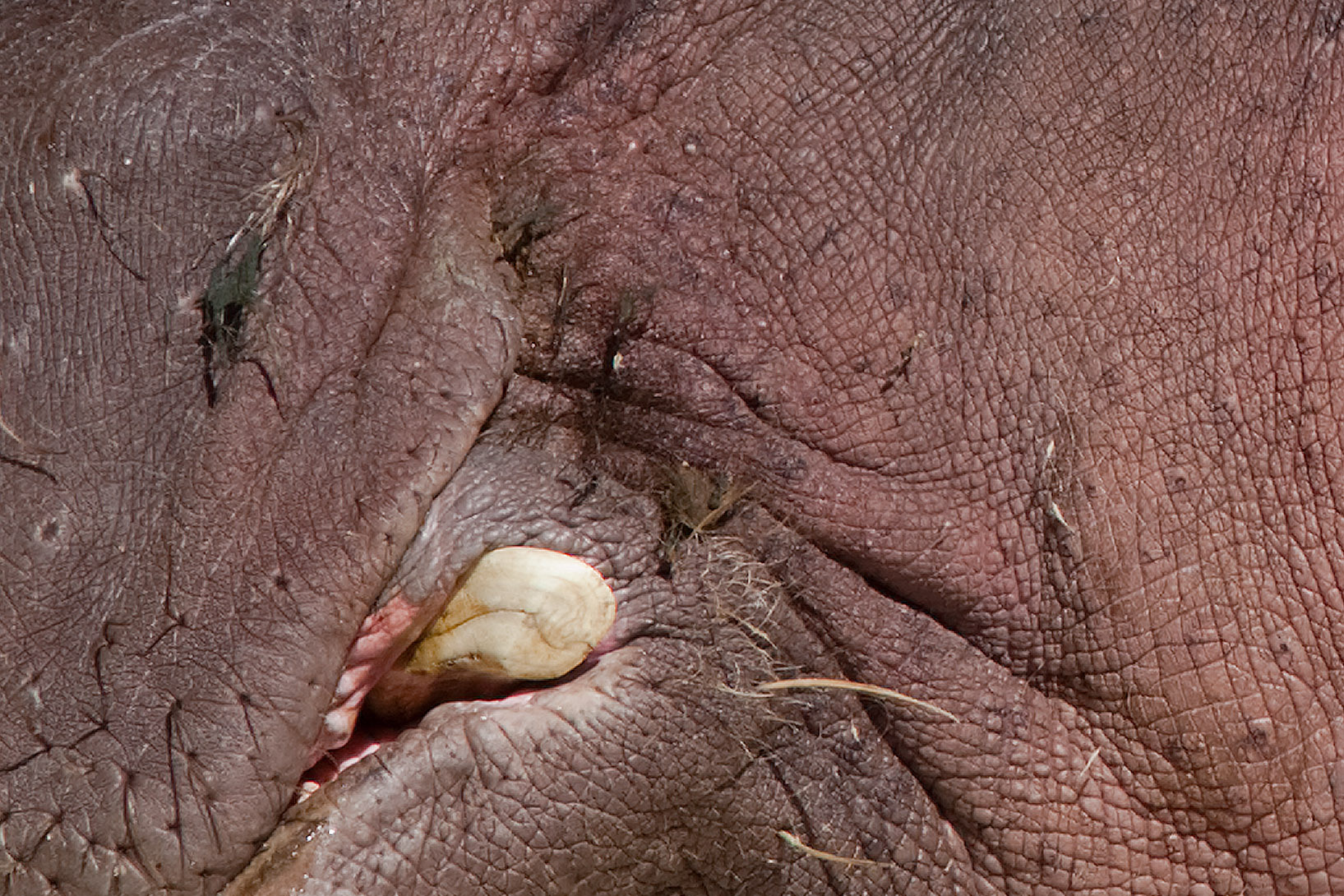
Of course it's a hippo. Of course. Now that you see the whole head, isn't it obvious? Congratulations to the few of you who found the right answer: Isabella, James, Suzanne of course, Hélène who already knew...

BTW, the image in the previous post was a crop from the photograph boosted to 6000x9000 pixels shown at 100% resolution. In other words, the image that a 54 megapixels camera would give. All I did was treat the RAW file, boost it, crop it and sharpen it. A real 54 MP camera, like let's say the 60 MP Phase One P65 back, would give a much more detailed photograph of course. But this is some pretty amazing equipment nevertheless.

You can expect another riddle soon. Will it be more difficult or not? I don't know yet! :-)

Roger Gauthier, The Photographer Who Came From The Cold

••••••••••••••••••••••••••••

C'était un hippopotame, bien sûr

C'est un hippopotame. Bien sûr. Maintenant que vous voyez toute la tête, n'est-ce pas évident ? Félicitations à ceux et celles qui ont trouvé la bonne réponse : Isabella, James, Suzanne of course, Hélène qui connaissait déjà la réponse...

En passant, la photo du message précédent est un recadrage de la photo originale poussée à 6000x9000 pixels et montrée à une résolution de 100 %. En d'autres mots, l'image que donnerait un appareil photo de 54 mégapixels. Tout ce que j'ai fait, c'est d'ouvrir et de traiter correctement le fichier RAW, augmenter sa résolution, le recadrer et préciser son rendu. Un véritable appareil photo de 54 MP, comme disons le dos numérique P65 de 60 mégapixels par Phase One, donnerait évidemment beaucoup plus de détails. Mais c'est tout de même là un appareil photo étonnant pour ne pas dire plus.

Vous pouvez vous attendre à une autre devinette bientôt. Je n'ai à ce moment aucune idée de son niveau de difficulté. Nous verrons bien... :-)

Roger Gauthier, Le photographe venu du froid

The Hippopotamus / L'hippopotame

jeudi 18 mars 2010

What Is This? / Qu'est-ce que c'est ?

What Is This?

I've decided that it was time to have some fun once again. So here is this very easy puzzle:

What does the picture below represent?

Come on, this is in no way a stumper. You must find what it is. :-)

I'll give you the answer tomorrow or the day after.

Roger Gauthier, The Photographer Who Came From The Cold

••••••••••••••••••••••••••••

Qu'est-ce que c'est ?

J'ai décidé qu'il était temps de s'amuser encore un brin. Voici donc une devinette très facile :

Dites-moi, qu'est-ce que l'image ci-dessous représente ?

Allons allons, c'est là une devinette facile, vous devez trouver la réponse. :-)

La réponse demain ou après-demain.

Roger Gauthier, Le photographe venu du froid

What Is This? / Qu'est-ce que c'est ?

mardi 16 mars 2010

In The Gulf Of Mexico / Dans le golfe du Mexique

In The Gulf Of Mexico

Our trip in airboat with Suzanne Bouchard and Roger Leclerc, after going around many islands, finally brought us to the very limits of the Gulf of Mexico itself. This was an absolutely perfect, totally windless day. A dream of a trip. Water was very shallow as you can see.

I used a polarising filter for those photographs, as this allowed me to see the bottom of the water over great distances. Forget it without a polarising filter: you will only see reflexions, not the bottom. I took a lot of pictures that day. Those two are amongst the very few that will survive my merciless axe. You will perhaps see a third one in the following days. :-)

The sun's position in the two photos is very different. This explains for the most part why they look so different.

Roger Gauthier, The Photographer Who Came From The Cold

••••••••••••••••••••••••••••

Dans le golfe du Mexique

Notre sortie en hydroglisseur avec Suzanne Bouchard et Roger Leclerc nous a menés, après avoir contourné de nombreuses îles, jusqu'au tout début du golfe du Mexique lui-même. Le temps était idéal, sans aucun vent. Impossible de rêver mieux. Comme vous pouvez le voir, la profondeur de l'eau était très faible.

J'ai utilisé un filtre polarisant pour ces photos, ce qui m'a permis de voir le fond de l'eau sur de très grandes distances. Cela aurait été impossible sans lui : je n'aurais vu que des reflets au lieu du fond de l'eau. J'ai pris un grand nombre de photos ce jour-là. Les deux que je montre ici font partie du très petit nombre qui survivront à mon impitoyable couperet. Je vous montrerai peut-être une troisième de cette série dans les jours à venir. :-)

La position du soleil est très différente dans les deux photos. C'est ce qui explique en grande partie qu'elles soient si différentes.

Roger Gauthier, Le photographe venu du froid

Gulf Of Mexico: Bottom Of The Water (1) / Golfe du Mexique : fond de l'eau (1)


Gulf Of Mexico: Bottom Of The Water (2) / Golfe du Mexique : fond de l'eau (2)

lundi 15 mars 2010

Bear With Me If I'm Late... / Pardonnez-moi si je suis en retard...

Bear With Me If I'm Late...

Yes indeed, I'm late in commenting on your blogs, my friends. Please bear with me, I'm horribly late in some work I've to do here, not mentioning the fact that I have some serious post-processing to do. Do not despair, I will be back in the days to come at the latest! :-)

Roger Gauthier, The Photographer Who Came From The Cold

••••••••••••••••••••••••••••

Pardonnez-moi si je suis en retard...

Oui en effet, je suis en retard, et je n'ai pas encore visité nombre de vos blogues, mes amis. Pardonnez-moi, j'ai un sérieux retard dans du travail que j'ai à faire ici, sans mentionner tout ce post-traitement qui m'attend. Ne vous découragez pas, je devrais être de retour sur vos blogues dans les jours à venir, au plus tard !

Sourions tout de même... :-)

Roger Gauthier, Le photographe venu du froid

samedi 13 mars 2010

Swamps, Bayous And Airboats / Marais, bayous et hydroglisseurs

Swamps, Bayous And Airboats

Airboats, also called swamp boats, are a common means of transportation in Louisiana and Florida's bayous and swamps. Those small boats are usually motorised by huge automotive V-8's and an airplane propeller. As they are light and flat-bottomed, they can navigate at high speed in only a few inches of water.

The photographs below are certainly not artistic, you're warned! I provide them only to show what is an airboat. This is the kind of boat that Suzanne, Hélène, Roger and I rented for a trip in the islands of the Gulf of Mexico, by a beautiful and absolutely windless day. I will show you tomorrow some photos I took of this beautiful gulf. I will never forget that day.

Roger Gauthier, The Photographer Who Came From The Cold

••••••••••••••••••••••••••••

Marais, bayous et hydroglisseurs

On utilise souvent les hydroglisseurs comme moyen de transport dans les marais et bayous de Louisiane et de Floride. Ces petits bateaux sont d'habitude motorisés par un énorme V-8 automobile qui actionne une hélice d'avion. Comme leur fond est plat et qu'ils sont légers, ils peuvent naviguer à très haute vitesse dans 10 cm d'eau, souvent moins.

Les photos ci-dessous n'ont certainement rien d'artistique, je vous aurai prévenus ! Je vous les montre uniquement pour illustrer ce qu'est un hydroglisseur. C'est ce type d'embarcation que Suzanne, Hélène, Roger et moi avons louée pour visiter des îles dans le golfe du Mexique, par une journée magnifique et sans aucun vent. Je vous montrerai demain quelques photos que j'ai prises dans le golfe. Je n'oublierai jamais cette journée-là.

Airboats et hydroglisseurs

La langue française est une langue magnifique, extraordinaire. Elle possède son génie propre. S'il est vrai que des ajouts et des emprunts n'ont rien de répréhensible en soi, cela devrait se faire en respectant l'âme même de la langue. Et surtout, utiliser un mot anglais lorsque le mot français existe dans toute son élégance ressemble fort à une absurdité. L'utilisation du mot « airboat » en français est le parfait exemple de ce qu'il ne faut pas faire. Après tout, hydroglisseur, n'est-ce pas à fois terriblement joli et si profondément français ?

Email, spam, post, feed, newsletter... Come on guys, my head's spinnin'... :-)))

Sourions...

Roger Gauthier, Le photographe venu du froid

An Airboat Motorisation / Motorisation d'un hydroglisseur


Airboat At Slow Speed / Hydroglisseur circulant à basse vitesse


Cap'n Thomas Driving An Airboat / Le capitaine Thomas aux commandes d'un hydroglisseur

jeudi 11 mars 2010

Le cinquième des frères Dalton / The Fifth Dalton Brother

Le cinquième des frères dalton

Vous connaissez probablement les bandes dessinées « Lucky Luke », du Belge Morris, et ensuite de Morris et du Français Goscinny. Si oui, vous connaissez les quatre vilains frères Dalton, du plus petit au plus grand. Jetez un oeil sur l'image ci-dessous. Elle représente le côté le plus important d'un contenant de trois litres de vin Zinfandel blanc par Franzia, made in USA. Avec un peu d'imagination, vous y verrez un cinquième frère Dalton ! Une fois que vous l'aurez vu, vous penserez aux frères Dalton chaque fois que vous verrez ce vin, je peux vous l'assurer.

En publicité, on appelle ça une erreur majeure de design. Comment cela a-t-il pu passer inaperçu, je vous demande ?

M'enfin... ce n'est pas vraiment mes oignons. Mais j'ai le droit de rigoler, non ? :-)))

Roger Gauthier, Le photographe venu du froid

••••••••••••••••••••••••••••

The Fifth Dalton Brother

You probably know the "Lucky Luke" cartoons by the Belgian cartoonist Morris, and later by Morris and the French Goscinny. If so, you then know the four miscreant Dalton brothers, from the smallest to the tallest. Look at the image below. It represents the main side of a three litre container of white Zinfandel wine by Franzia, made in the USA. With a bit of imagination, you will see a fifth Dalton Brother! And once you've seen it, you will be reminded of the Dalton brothers each time you look at this container, I can guarantee it!

In design and marketing, this is called a major blunder. How could that one go unnoticed, I ask you?

Well, I guess that this is not really my business. But nobody can stop me from laughing! :-)))

Roger Gauthier, The Photographer Who Came From The Cold

Le cinquième des frères Dalton / The Fifth Dalton Brother

mardi 9 mars 2010

I'm Back! / Je suis de retour !

I'm Back!

That's right. The bearded, mad, weird Photographer from the cold is back from a trip in Florida where we stayed with Suzanne Bouchard and Roger Leclerc. I took maybe a thousand photographs and I will show you some of them over the weeks. Not many. I'm sifting through them right now and I can already say that not many will survive. Maybe twenty, less than thirty certainly. Not a bad score, all things considered.

Let's begin with an easy one. This one was shot in Columbia, South Carolina, while going down there.

Pray tell me, what's terribly wrong with that shot?

You've been warned, this is an easy one. Making a mistake will not be tolerated. Not commenting either! :-)

Roger Gauthier, The Photographer Who Came From The Cold

••••••••••••••••••••••••••••

Je suis de retour !

C'est malheureusement vrai : le Photographe venu du froid, barbu, bizarre et un peu fou, est de retour d'un voyage en Floride où nous avons séjourné chez Suzanne Bouchard et Roger Leclerc. J'ai pris environ mille photos, et je vous en montrerai quelques-unes durant les prochaines semaines. Pas beaucoup. Je viens de jeter un coup d'oeil rapide et je peux déjà affirmer que peu d'entre elles survivront au couperet. Peut-être vingt, moins de trente certainement. Ce n'est pas si mal si l'on considère qu'après tout, nous sommes allés là-bas pour nous reposer, pas pour faire de la photo.

Pour commencer, voici une colle facile. J'ai pris cette photo à Columbia, Caroline du Sud, durant notre voyage vers la Floride.

Dites-moi, quelle épouvantable erreur y a-t-il dans cette photo ?

Je vous ai prévenus, c'est une colle facile. Aucune erreur ne sera tolérée. Ne pas commenter ne sera pas toléré non plus... :-)

Roger Gauthier, Le photographe venu du froid

Find The Error... / Cherchez l'erreur...

vendredi 12 février 2010

Going On A Trip Saturday! / En voyage samedi !

Going On A Trip Saturday!

Hélène and I are going to visit part of the U.S.A. We will hit the road Saturday morning at an ungodly hour and will be gone for at least three weeks. I am bring my backpack with all the photo equipment, tripod and all, while Hélène will have her MacBook Pro laptop and possibly a small Yamaha electronic keyboard.

As I absolutely refuse to work on a laptop, this means that this blog will slow down considerably. I may post one photo here and there - emphasis on may. But don't fret, I will be back, this is a promise, you can count on it. You see, without travelling, part of my photo work would die, and we can't have that, can we? :-)

I will post a couple of time on Friday, then hold on till I come back!

Roger Gauthier, The Photographer Who Came From The Cold

••••••••••••••••••••••••••••

En voyage samedi !

Hélène et moi partons en voyage aux États-Unis samedi matin très tôt et serons absents pour au moins trois semaines. J'apporte mon sac à dos avec tout mon fourbi photographique, incluant le nécessaire trépied. Hélène pour sa part apporte son portable MacBook Pro et possiblement aussi un petit clavier électronique Yamaha.

Comme je refuse absolument de travailler sur un portable, cela veut dire que ce blogue sera considérablement ralenti durant la période en question. Il est possible - je dis bien possible - que je mette en ligne une photo ou deux de temps à autre, mais rien n'est moins sûr. Mais ne vous inquiétez pas je serai de retour, c'est une promesse formelle ! Vous voyez, sans voyages, une partie de mon travail photographique disparaîtrait, et de cela il n'est pas question, n'est-ce pas ? :-)

Je vais mettre en ligne un ou deux messages vendredi. Ensuite, accrochez-vous jusqu'à mon retour !

Roger Gauthier, Le photographe venu du froid

jeudi 11 février 2010

About Life And Death / À propos de la vie et de la mort

About Life And Death

We went to the hospital this morning because Hélène had some routine tests.

On a chair in a waiting room, there was an old gentleman, perhaps 70 years old. He was sitting with his elbows on his knees and his head between his hands. Very silently, very discreetly, he was crying.

His wife, maybe 65 years old, was sitting beside him, slowly and gently stroking his back.

She was looking at absolutely nothing, two big tears on her cheeks.

I will be haunted by this scene for weeks. Life is absurd and God is a human creation.

UPDATE:

Hélène and I will be travelling during the next three weeks, perhaps a bit more. The Blog will slow down during this period. I urge you however to keep on commenting on this post. I was so struck by human frailty yesterday that I had to write about it and made the corresponding image.

Roger Gauthier, The Photographer Who Came From The Cold

••••••••••••••••••••••••••••

À propos de la vie et de la mort

Nous sommes allés à l'hôpital ce matin parce qu'Hélène devait subir des examens de routine.

Sur une chaise dans une salle d'attente, il y avait un vieux monsieur, 70 ans peut-être. Il était assis les coudes sur les genoux et la tête entre les mains. Très silencieusement, très discrètement, il pleurait.

Sa femme, 65 ans environ, était assise à côté de lui, frottant son dos à gestes lents avec beaucoup de tendresse.

Deux grosses larmes sur les joues, elle ne regardait nulle part.

Cette scène va me poursuivre pendant des semaines. La vie est absurde et Dieu, une invention humaine.

MISE À JOUR :

Hélène et moi serons en voyage durant les trois prochaines semaines, peut-être un peu plus. Le Blogue sera au ralenti durant cette période. Je vous encourage toutefois à continuer à commenter ce message. J'ai été si frappé par la fragilité de la nature humaine que je me devais de décrire ce que j'avais vu tout de suite. L'illustration qui l'accompagne est venue d'elle-même.

Roger Gauthier, Le photographe venu du froid

Absurd Drawing / Dessin absurde

mercredi 10 février 2010

Wind And Snow And The Saint-Laurent River / Neige et vent sur le Saint-Laurent

Wind And Snow On The Saint-Laurent River

Photographed in Petite-Rivière-Saint-François. Wind is often an artist.

Roger Gauthier, The Photographer Who Came From The Cold

••••••••••••••••••••••••••••

Neige et vent sur le Saint-Laurent

Photographie prise à Petite-Rivière-Saint-François. Le vent est souvent un artiste.

Roger Gauthier, Le photographe venu du froid

Wind And Snow On The Saint-Laurent River / Neige et vent sur le Saint-Laurent

mardi 9 février 2010

In My Bathroom / Dans ma salle de bains

In My Bathroom

I was ordered by Nancy to take a picture of something that was in my bathroom. Anything would do. Here it is. I am pretty sure that absolutely nobody will know what it is.

THIS IS ONLY FOR FUN, AMIGOS!

Roger Gauthier, The Photographer Who Came From The Cold

••••••••••••••••••••••••••••

Dans ma salle de bains

Nancy m'a donné l'ordre de photographier quelque chose qui était dans ma salle de bain. N'importe quoi ferait l'affaire. Je suis absolument certain que personne ne trouvera ce que c'est.

C'EST JUSTE POUR LE FUN, AMIGOS !

Roger Gauthier, Le photographe venu du froid

In My Bathroom / Dans ma salle de bains

Cailloux / Stones

Cailloux

Il suffit de repérer l'endroit approprié sur le bord de la mer, de s'installer à la verticale avec un trépied solide (pour la précision) et léger (pour l'agrément...), d'attendre que la vague mouille les cailloux et de ne pas avoir peur de se faire mouiller.

Ça donne rarement du grand art, mais ça fait souvent de bons fonds d'écran, comme ici. :-)

Roger Gauthier, Le photographe venu du froid

••••••••••••••••••••••••••••

Stones

All you have to do is to find an adequate spot on the sea shore, to install your camera over the spot that interests you, using a solid (for precision) and light (for comfort) tripod, and to wait that a wave wets the stones. You must not be afraid to get wet...

You very rarely make art out this kind of shot but you certainly get very good desktop pictures, as is the case here. :-)

Roger Gauthier, The Photographer Who Came From The Cold

Cailloux / Stones

lundi 8 février 2010

The Woman Of My Life / La femme de ma vie

The Woman Of My Life

I made this image yesterday using as a starting point a photograph I took some time ago. It has very little resemblance now with the initial photograph. One could ask: Do I have the right to do that? Or quite bluntly: Is it art?

Do I have the right? Of course. It is obvious that I can do anything I want as long as I am not pretending to show the reality. This is no photo-journalism, as I discussed with Gildan this morning. Starting from that, I can do as I want, it's as simple as that. It is no more a photograph but an independent work.

Now, is it art? I still have a bit of decency left and will refuse to answer that one. All I can say though is that there is absolutely no consensus about what is art. I will also say that beauty does not equal art and vice versa, though something beautiful may be art, and art is sometimes simply not beautiful!

Pick your choice... :-)

Roger Gauthier, The Photographer Who Came From The Cold

••••••••••••••••••••••••••••

La femme de ma vie

J'ai réalisé cette image hier en utilisant comme point de départ une photo que j'ai prise il y a quelque temps. Elle n'a maintenant qu'une faible ressemblance avec la photo initiale. On pourrait se demander : Ai-je le droit de faire ça ? Ou plus crûment : Est-ce de l'art ?

En ai-je le droit ? Bien sûr. Il est évident que je peux faire n'importe quoi en autant que je ne prétende pas représenter la réalité. Je ne fais pas de photo-journalisme, une question que j'ai discutée avec Gildan ce matin. À partir de cette prémisse, je peux faire tout ce qui me passe par la tête, c'est aussi simple que ça. Il faut considérer cette oeuvre non plus comme une photo, mais plutôt comme quelque chose d'entièrement différent.

L'autre question que l'on peut poser est beaucoup plus sournoise : Est-ce de l'art ? J'ai encore un vieux fonds de décence et je vais refuser de répondre. Tout ce que je peux dire toutefois, c'est qu'il n'y a aucun consensus sur la définition de l'art. Je dirai également que beauté n'égale pas art et vice-versa, même si quelque chose de beau peut être de l'art, et que l'art est n'est parfois tout simplement pas beau !

La réponse vous appartient...

Roger Gauthier, Le photographe venu du froid

The Woman Of My Life / La femme de ma vie

dimanche 7 février 2010

Virginia Tech: Broken Dreams / Virginia Tech : Rêves brisés

Virginia Tech: Broken Dreams

After reading a poignant post by gypsywoman against violence, I promised her that I would publish an image that I made during the night following the mass murders at Virginia Tech. I made in fact half a dozen of them and finally settled on one of the simplest, most direct I could think about.

I hope that I will offend none of my American friends, some of them dear friends for many years now. I hope that I will not offend any of them, but it is my duty to condemn with great force the Cult Of The Gun. What's written in the Constitution does not interest me. What chills me to the bones is the number of people killed with guns in a democracy like the USA.

Violence breeds violence. Guns, instruments of death, kill so many, so fast.

Just imagine: students at Virginia Tech wanted the right to go to the University armed... unthinkable. It will never be too late to stop that frenzy.

Roger Gauthier, The Photographer Who Came From The Cold

••••••••••••••••••••••••••••

Virginia Tech : Rêves brisés

Après avoir lu un message de gypsywoman contre la violence, je lui ai promis de publier une image que j'ai créée durant la nuit qui a suivi la tuerie à Virginia Tech. J'ai réalisé en fait une demi-douzaibne de celles-ci et j'ai finalement choisi l'une des plus simples et des plus directes.

J'espère que je n'offenserai aucun de mes amis Américains ici, dont certains sont des amis chers depuis de nombreuses années maintenant. J'espère que je n'offenserai aucun d'entre eux, mais c'est mon devoir de condamner avec force le Culte des armes à feu. Ce qui est écrit dans la Constitution ne m'intéresse nullement. Ce qui me glace, c'est le nombre de personnes tuées par arme à feu dans une démocratie comme les États-Unis.

La violence engendre la violence. Les armes à feu, instruments de mort, tuent tant de gens, si rapidement.

Imaginez : un bon nombre d'étudiants de Virginia Tech voulaient obtenir le droit de porter une arme sur le campus... impensable. Il ne sera jamais trop tard pour stopper cette folie.

Note : J'ai créé cette oeuvre pour mes amis américains. C'est pourquoi les mots sont en anglais seulement.

Roger Gauthier, Le photographe venu du froid

Virginia Tech: Broken Dreams / Virginia Tech : Rêves brisés